
What's changed for blood oxygen since 2024
On this page
- January 18, 2024: Apple Watches lose Blood Oxygen in the US
- September 13, 2024: the FDA clears Apple’s sleep apnea alert
- December 20, 2024: the first medicine for sleep apnea
- January 6, 2025: the FDA drafts tougher skin tone testing
- August 14, 2025: Blood Oxygen comes back, on the iPhone
- 2026: a careful test of a watch under low oxygen
- What hasn’t changed
Four things changed for blood oxygen in the US between 2024 and 2025. Apple’s Blood Oxygen feature left new watches and came back on the iPhone, the FDA cleared a sleep apnea alert for the Apple Watch, it approved the first medicine for sleep apnea, and it proposed tougher skin tone testing for medical oximeters. Here’s each one in order, and what it means for your number.
If you bought an Apple Watch in 2024 and couldn’t find Blood Oxygen, or got a sleep apnea alert and wondered how much to trust it, or heard that oximeters work worse on darker skin and that the FDA fixed it, the news was confusing. Some of it is settled and some of it is still a draft.
What we’d do
If you have a Series 9, Series 10 or Ultra 2 from the US and no Blood Oxygen on the watch, look in the Health app on your iPhone. Treat a sleep apnea alert as a reason to get tested, and a quiet watch as no answer either way. And for a finger oximeter at home, assume the skin tone rules haven’t reached the one in your drawer.
January 18, 2024: Apple Watches lose Blood Oxygen in the US
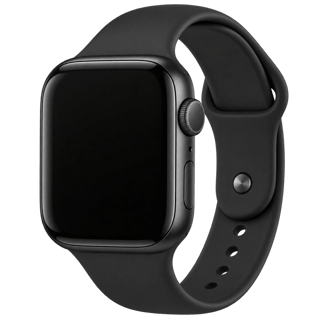
The US International Trade Commission had banned imports of Apple Watches over Masimo’s patents, finding the Blood Oxygen feature too close to Masimo’s technology. Rather than pull the watches, Apple removed the feature and started selling the changed watches on January 18, 2024. Watches people had already bought kept it.
From then until August 2025, new Series 9, Series 10 and Ultra 2 watches sold in the US came without it.
September 13, 2024: the FDA clears Apple’s sleep apnea alert
On September 13, 2024, the FDA cleared Apple’s Sleep Apnea Notification Feature for adults 18 and older who haven’t been diagnosed with sleep apnea. It looks for breathing disturbances with the watch’s motion sensor, which Apple describes separately from the Blood Oxygen feature. Apple says it needs at least 10 nights of sleep with the watch in a 30-day stretch, and it works on Series 9 or later, Ultra 2 or later and SE 3.
The study behind it enrolled 1,499 people across the US and checked them with a home sleep test. The alert went to 66.3% of the people who had moderate to severe apnea. Of the people with no apnea or mild apnea, 98.5% got no alert. It misses about a third of people with apnea, so a quiet watch doesn’t clear you, and an alert is a strong reason to get tested. What does the Apple Watch sleep apnea notification mean? has what to do next.
December 20, 2024: the first medicine for sleep apnea
On December 20, 2024, the FDA approved tirzepatide, sold for this as Zepbound, to treat moderate to severe obstructive sleep apnea in adults with obesity, alongside eating less and moving more. It was the first medicine approved for sleep apnea. The approval rested on two year-long trials with 469 adults, one in people using a breathing machine and one in people who couldn’t or wouldn’t.
In the people not using a machine, breathing pauses fell by about 25 an hour on tirzepatide against about 5 on placebo, mostly through weight loss. Can losing weight help sleep apnea? has the trial, and bodyfat.guide covers the GLP-1 medicines. The natural moves come first, if you can, and how can I raise my blood oxygen naturally? lists them.
January 6, 2025: the FDA drafts tougher skin tone testing
Pulse oximeters can show too high on darker skin. In a 2020 University of Michigan study, when hospital finger oximeters showed 92 to 96, a blood test found true oxygen under 88 for 11.7% of Black patients’ measurements and 3.6% of White patients’.
On January 6, 2025, the FDA published draft advice for makers of medical pulse oximeters. It asks for testing in 150 or more healthy people with a wide range of skin tones, measured on the Monk Skin Tone scale, and plain warnings in the instructions that skin color can change how the sensor works. The FDA gave the public 60 days to comment. The draft covers oximeters for medical use, mainly in hospitals and doctors’ offices, and not the wellness devices sold over the counter.
As of November 2026 we haven’t found a final version. The FDA’s own consumer page also says oximeters sold for general wellness or sports aren’t reviewed by the agency before they go on sale. A cheap clip from the drugstore may never have been tested on darker skin. Are pulse oximeters less accurate on darker skin? has what to do about it.
August 14, 2025: Blood Oxygen comes back, on the iPhone
On August 14, 2025, Apple said that for Series 9, Series 10 and Ultra 2 owners in the US who didn’t have Blood Oxygen, the sensor data from the watch would be measured and calculated on the paired iPhone, after an update to iOS 18.6.1 and watchOS 11.6.1. The results show in the Respiratory section of the Health app. Apple said a recent US Customs ruling made it possible, and that watches bought with the original feature weren’t affected.
That’s why some people find their numbers on the phone and never on the watch face. How does a watch see oxygen through your skin? explains the sensor.
2026: a careful test of a watch under low oxygen
A 2026 study at Duke put 9 healthy young adults on low-oxygen air and compared an Apple Watch Series 7 and a medical finger oximeter with blood tests. Both tended to show too high. Once true oxygen fell under 88, the watch was off by about 5.8 points on average and the finger oximeter by about 3.5. It was a small group of young, healthy people, so it can’t say how either device does across ages and skin tones. How accurate is Apple Watch blood oxygen? has the rest.
What hasn’t changed
The lines for your number are the same as before. Awake and resting, 95 to 100 is normal, 92 or lower means call your doctor and 88 or lower means get medical care now. Trouble breathing, chest pain, new confusion, or gray or blue lips means 911, whatever the number says. Your blood oxygen is a smoke alarm explains how to think about all of it.
10 sources
- STAT, Apple to sell watches without blood oxygen feature amid Masimo patent dispute, January 18, 2024statnews.com
- Apple Newsroom, An update on Blood Oxygen for Apple Watch in the US, August 14, 2025apple.com
- US Food and Drug Administration, 510(k) K240929, Sleep Apnea Notification Feature, September 13, 2024accessdata.fda.gov
- Apple Support, Sleep apnea notifications on Apple Watch, checked 2026-11-14support.apple.com
- US Food and Drug Administration, FDA approves first medication for obstructive sleep apnea, December 20, 2024fda.gov
- Malhotra A and others, Tirzepatide for the treatment of obstructive sleep apnea and obesity, New England Journal of Medicine, 2024europepmc.org
- CNN via KVIA, FDA issues draft guidance to improve accuracy of pulse oximeters for people with darker skin tones, January 6, 2025kvia.com
- US Food and Drug Administration, Pulse oximeter basics, content current as of March 26, 2025fda.gov
- Sjoding MW and others, Racial bias in pulse oximetry measurement, New England Journal of Medicine, 2020pmc.ncbi.nlm.nih.gov
- Jiang Y and others, Performance of wearable pulse oximetry during controlled hypoxia induction: instrument validation study, JMIR Formative Research, 2026pmc.ncbi.nlm.nih.gov