Oxygen by elevation
Drag the climb or pick a place. The breath empties of oxygen as you go up, and past about 8,200 feet the number stops telling you much.
Denver, about 5,280 ft
82%of the oxygen in each breath at sea level
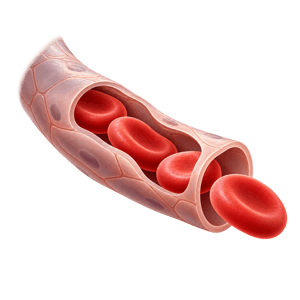
The air is still about 21% oxygen. There's just less air in each breath.
Is my trip going up too fast?Check a number at this elevation
What your result means, and what to do next
- Oxygen in each breath. How much oxygen a breath carries there against sea level. Your body copes well with the first drop, which is why the number barely moves up to about 8,000 feet.
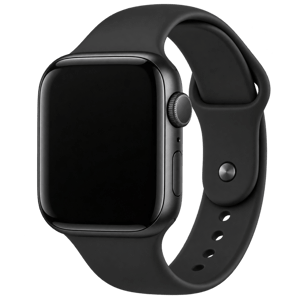
- The watch bands. A typical night and day for a 40-year-old who lives there. If you live up high, compare your nights with that band and with your own usual nights, never with a sea-level chart.
- The risk. The CDC's risk of altitude sickness if you sleep there after coming up from low ground. Medium or high means pace the trip with the trip check.
Up high, how you feel decides. A headache with nausea, tiredness or dizziness after a climb means don't go higher, and go down if it gets worse.
How it works
Air pressure comes from NASA's standard atmosphere. The air is about 21% oxygen at every elevation, so the oxygen in each breath falls with the pressure: about 82% of sea level at 5,280 feet, 74% at 8,000, 69% at 10,000 (the CDC's figure) and 59% at 14,000.
The watch bands come from 33,080 Apple Watch wearers, for a 40-year-old with a BMI of 25: a night falls about 1.2 points for every kilometre (3,300 feet) higher you live, and a day about 0.8. They stop at 8,200 feet, where the study's authors say the straight line stops working.
The risk is the CDC's, by where you sleep: low under 9,000 feet, medium from 9,000 to 11,150, and high above. Anyone not used to it sleeping at 8,000 feet or higher is at risk. About a quarter of 3,158 adult visitors to Colorado resorts got altitude sickness, and their oxygen number usually looked normal for the altitude. Town elevations are rounded and approximate.
6 sources
- NASA Glenn Research Center, Earth atmosphere modelgrc.nasa.gov
- CDC Yellow Book, High-Altitude Travel and Altitude Illnesscdc.gov
- Shapiro I and others, Pulse oximetry values from 33,080 participants in the Apple Heart and Movement Study, npj Digital Medicine, 2023pmc.ncbi.nlm.nih.gov
- Luks AM and Swenson ER, Pulse oximetry at high altitude, High Altitude Medicine and Biology, 2011europepmc.org
- Schiefer LM and others, a smartwatch and a medical oximeter against blood tests in 13 lowlanders at 4,559 m, 2021europepmc.org
- Honigman B and others, altitude sickness in 3,158 visitors to Colorado resorts, Annals of Internal Medicine, 1993europepmc.org