What your result means, and what to do next
- The glow round each number is how far that device was off in published tests. Two devices that land inside each other's glow agree as well as they can.
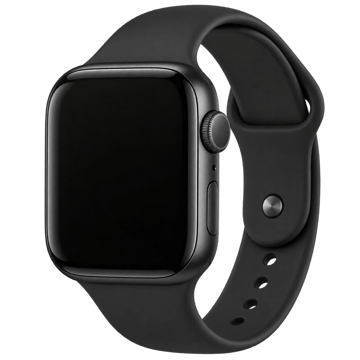
- Compare each device with itself. A watch's nights tell you most against its own usual nights, worn the same way.
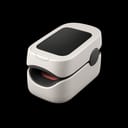
- For a sick day, use a finger clip. Watches miss by more once oxygen is low, and how you feel comes first either way.
How it works
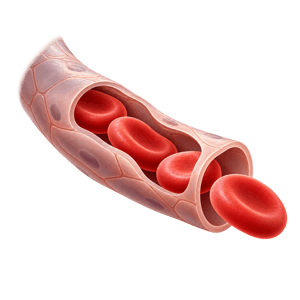
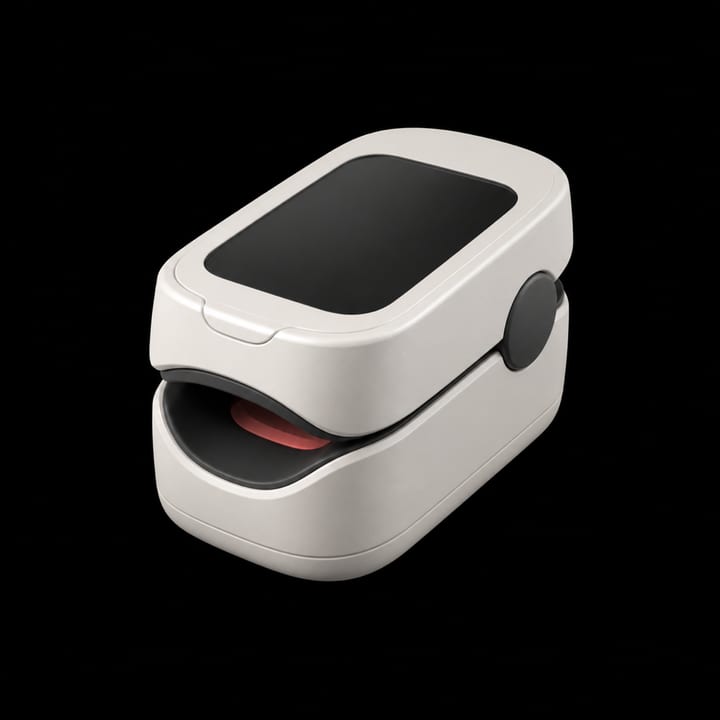
Oxygen-rich blood is a brighter red. A sensor compares red and infrared light on each heartbeat and turns the difference into a number. A finger clip shines light through you, while a watch or ring bounces light back from the skin, which costs accuracy.
The errors come from published tests against blood tests. A cleared finger oximeter has to stay within about 3 points on average, and the FDA's limit for the watch kind of sensor is 3.5. Wellness watches and rings don't have to meet either. Cold hands, dark polish, artificial nails, darker skin, poor circulation and tobacco use can throw a reading off (MedlinePlus). Where we've seen no published test for a device, its card says so.
6 sources
- Jiang and others, an Apple Watch Series 7 and a medical-grade finger oximeter against blood tests in 9 healthy adults under controlled low oxygen, 2026pmc.ncbi.nlm.nih.gov
- Schiefer LM and others, a smartwatch and a medical oximeter against blood tests in 13 lowlanders at 4,559 m, 2021europepmc.org
- Sjoding MW and others, Racial bias in pulse oximetry measurement, New England Journal of Medicine, 2020pmc.ncbi.nlm.nih.gov
- Apple, About Blood Oxygen on Apple Watchsupport.apple.com
- Apple Newsroom, an update on the Blood Oxygen feature for some Apple Watch users in the US, August 14, 2025
- MedlinePlus, Pulse Oximetry, US National Library of Medicine, updated September 12, 2024medlineplus.gov
Is my blood oxygen normal? Take the quiz