Is 98 blood oxygen normal?
Awake and resting, 98 is in the normal range of 95 to 100. As a watch night average at sea level it's typical, about the 95th percentile for a 40-year-old.
95 to 100 is normal awake and resting (MedlinePlus).
About the 95th percentile at sea level for a 40-year-old, and over the 99th in Denver, among Apple Watch wearers.
In 350 people with normal sleep studies, the lowest point of the night averaged about 90, and most stayed between about 84 and 97.
98 is a great number awake, and there’s nothing to do with it. It’s even high for a daytime watch value: for a 40-year-old at sea level, a typical day sits around 96.7, and 98 is higher than the typical day of nearly 9 in 10 watch wearers like you.
As a night average it’s high too, about the 95th percentile at sea level for a 40-year-old, and over the 99th in Denver. If your watch showed 98 overnight, check which number you’re looking at. An Apple Watch lists each measurement it takes in your sleep, and one of those can be 98 on a night whose average is lower. Oura shows the night’s average.
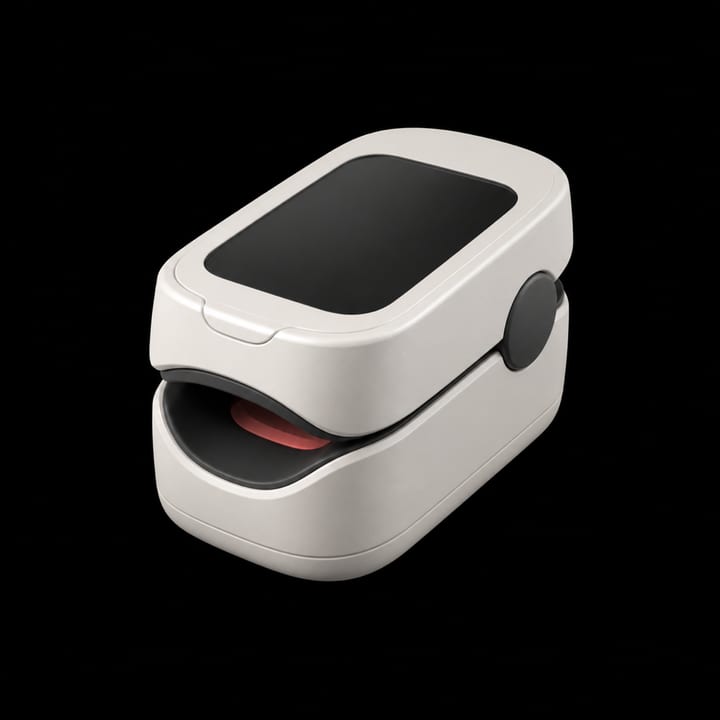
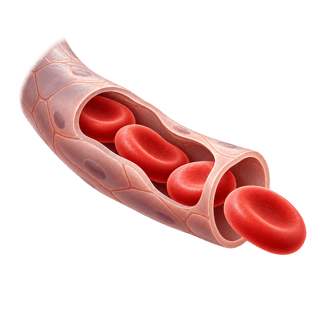
A higher number isn’t healthier blood. From 95 up, nearly every oxygen seat in your red blood cells is already filled, so a 98 and a 96 carry about the same oxygen (why 100 isn’t the goal). A finger oximeter can also be off by about 3 points, so a 98 on one could be a 95 or a 100.
The device. A cleared finger oximeter can be off by about 3 points, a watch by about 2, and more when oxygen is low: below 88, an Apple Watch Series 7 was off by about 6 in 9 young adults.
Elevation. At Denver's 5,280 feet, a typical watch night sits about 1.9 points lower and a typical day about 1.4 lower. Above 8,200 feet the number can't tell you if you're getting sick, and symptoms decide.
When to get help
Call 911 if you have trouble breathing, chest pain or pressure that doesn't go away, new confusion, can't stay awake, or your lips, nail beds or skin look pale, gray or blue, whatever the number says.
Open this in Your number Is my blood oxygen normal? Take the quiz
7 sources
- MedlinePlus, Pulse Oximetry, US National Library of Medicine, updated September 12, 2024medlineplus.gov
- Shapiro I and others, Pulse oximetry values from 33,080 participants in the Apple Heart and Movement Study, npj Digital Medicine, 2023pmc.ncbi.nlm.nih.gov
- Gries RE and Brooks LJ, Normal oxyhemoglobin saturation during sleep, Chest, 1996europepmc.org
- Sjoding MW and others, Racial bias in pulse oximetry measurement, New England Journal of Medicine, 2020pmc.ncbi.nlm.nih.gov
- Jiang and others, an Apple Watch Series 7 and a medical-grade finger oximeter against blood tests in 9 healthy adults under controlled low oxygen, 2026pmc.ncbi.nlm.nih.gov
- Apple Support, About Blood Oxygen on Apple Watch, checked 2026-11-14support.apple.com
- Oura, Blood oxygen sensing (SpO2), August 27, 2024, checked 2026-11-14ouraring.com