What oxygen level should I expect in Cusco?
On this page
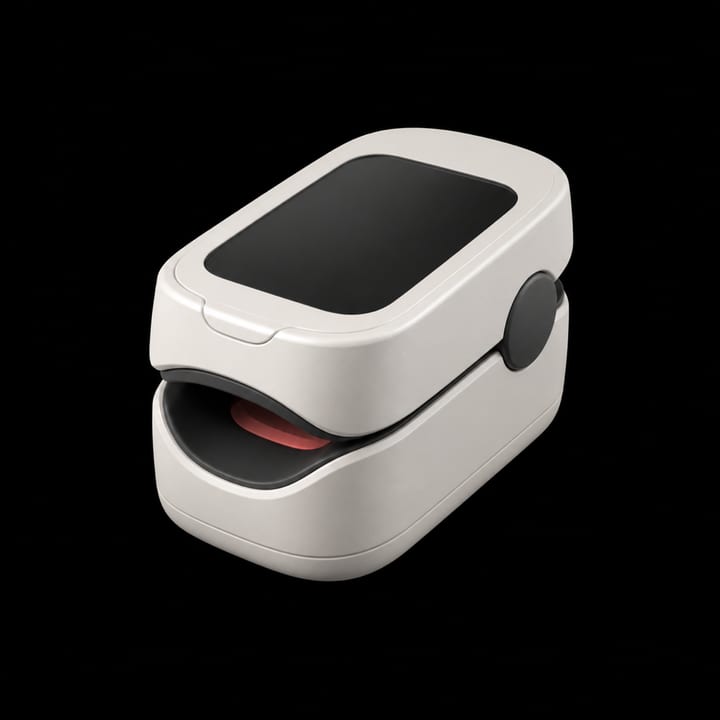
Well below your number at home, and lower than any watch norm covers. Cusco sits at about 11,000 feet (3,350 m), where each breath carries about two thirds of the oxygen it would at sea level. Expect a lower number, let your symptoms guide you, and know that flying in from the coast puts your first night above the CDC’s line.
What we’d do
Don’t sleep in Cusco the first night if you can help it. The CDC says travelers to Cusco can head down to places lower than the airport and sleep there for a night or two before going up. Skip alcohol for the first two days, score yourself each morning, and ask your doctor about a preventive medicine before you fly.
What number should you expect?
Lower than at home, and harder to judge. The CDC says that at about 10,000 feet, a newly arrived visitor’s blood oxygen can drop to 88 to 91, and Cusco is about 1,000 feet higher, so expect your first days at or below that range. The big Apple Watch study’s typical ranges stop at about 8,200 feet, where its authors say the straight line breaks, so there’s no watch norm for Cusco.
Doctors who study oxygen at altitude say the normal number at a given elevation is best seen as a range, that it moves fast with small changes up there, and that small differences between days or between people shouldn’t drive decisions. Devices also get worse up high. In 13 healthy lowlanders at 14,957 feet, a Garmin watch showed about 7 points too high on average, while a medical finger oximeter was close to the blood test.
| Place | Elevation | Oxygen in each breath, against sea level |
|---|---|---|
| Sea level | 0 | 100% |
| Cusco, Peru | About 11,000 feet (3,350 m) | About 66% |
| La Paz, Bolivia | About 12,000 feet (3,650 m) | About 64% |
The elevations are the CDC’s, and the oxygen shares come from NASA’s standard model of the atmosphere.
Why does flying in break the rule?
The CDC’s first pacing rule says not to go from under 4,000 feet to a sleeping elevation of 9,000 feet or more in one day. A flight to Cusco from the coast does it in one step. Sleeping at Cusco’s height on the first night is in the CDC’s medium-risk band, and a history of altitude sickness moves you up.
It’s like jumping into the deep end of a cold pool instead of walking down the steps. You’ll probably be fine, and some people aren’t.
What’s the smarter order?
Go down first. The CDC names Cusco and La Paz as places where travelers can descend to elevations lower than the airport, sleep there a night or two, and then start going up, which may make medicine unnecessary. The trip tool below has a Cusco and Machu Picchu preset, and it flags the nights that break a rule with the one change that fixes the most.
The CDC also says to skip alcohol for the first 48 hours at high altitude, and it names acetazolamide as the medicine that speeds up adjusting to altitude. That one’s a prescription, so ask your doctor before the trip.
How do you know if it’s hitting you?
Score yourself each morning after at least 6 hours up: headache, stomach, tiredness and dizziness, 0 to 3 each. 3 or more with a headache means altitude sickness, so don’t go higher, and go down if it gets worse (the symptoms). Confusion, stumbling, or unusual breathlessness with a cough and chest congestion means going down and getting medical help right away.
6 sources
- CDC Yellow Book, High-Altitude Travel and Altitude Illness, updated April 23, 2025cdc.gov
- NASA Glenn Research Center, Earth atmosphere model, metric unitsgrc.nasa.gov
- Shapiro I and others, Pulse oximetry values from 33,080 participants in the Apple Heart and Movement Study, npj Digital Medicine, 2023pmc.ncbi.nlm.nih.gov
- Luks AM and Swenson ER, Pulse oximetry at high altitude, High Altitude Medicine and Biology, 2011europepmc.org
- Schiefer LM and others, Validity of peripheral oxygen saturation measurements with the Garmin Fenix 5X Plus wearable device at 4559 m, Sensors, 2021europepmc.org
- Roach RC and others, The 2018 Lake Louise Acute Mountain Sickness Score, High Altitude Medicine and Biology, 2018pmc.ncbi.nlm.nih.gov